Arcadea Archive
Mass Observation
The original Mass Observation took shape in the closing years of the 1930s, when a collective of writers, artists and intellectuals decided to enable ordinary people to write “an anthropology of ourselves”. In their focus on documenting single days, and giving participants full control of their expression, they hoped to represent life as it was actually experienced in the UK.
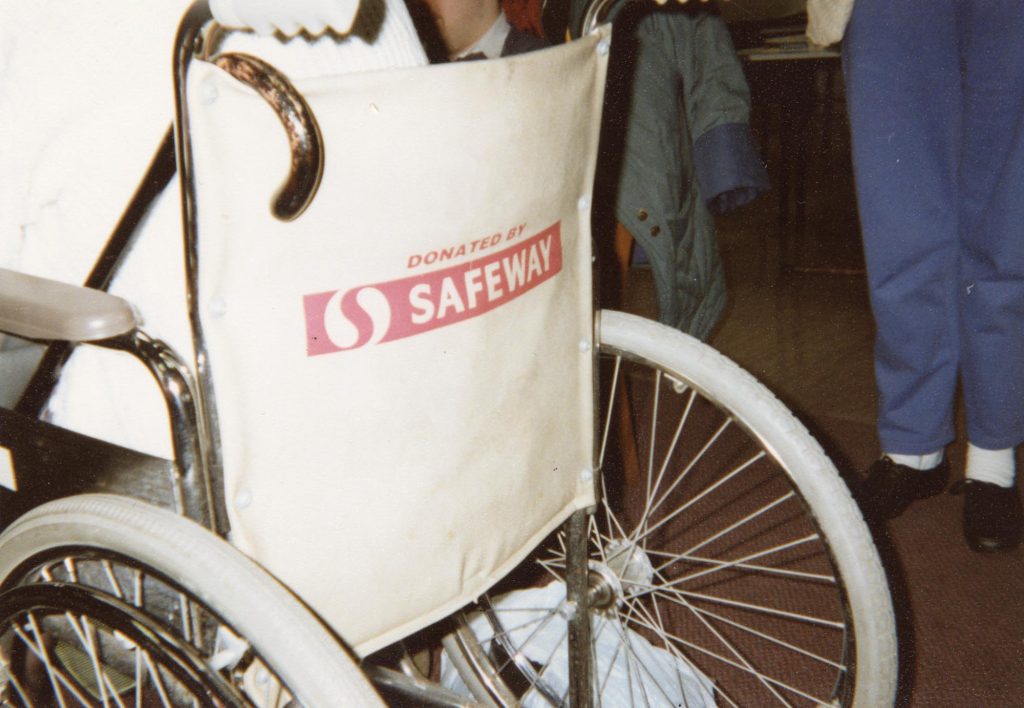
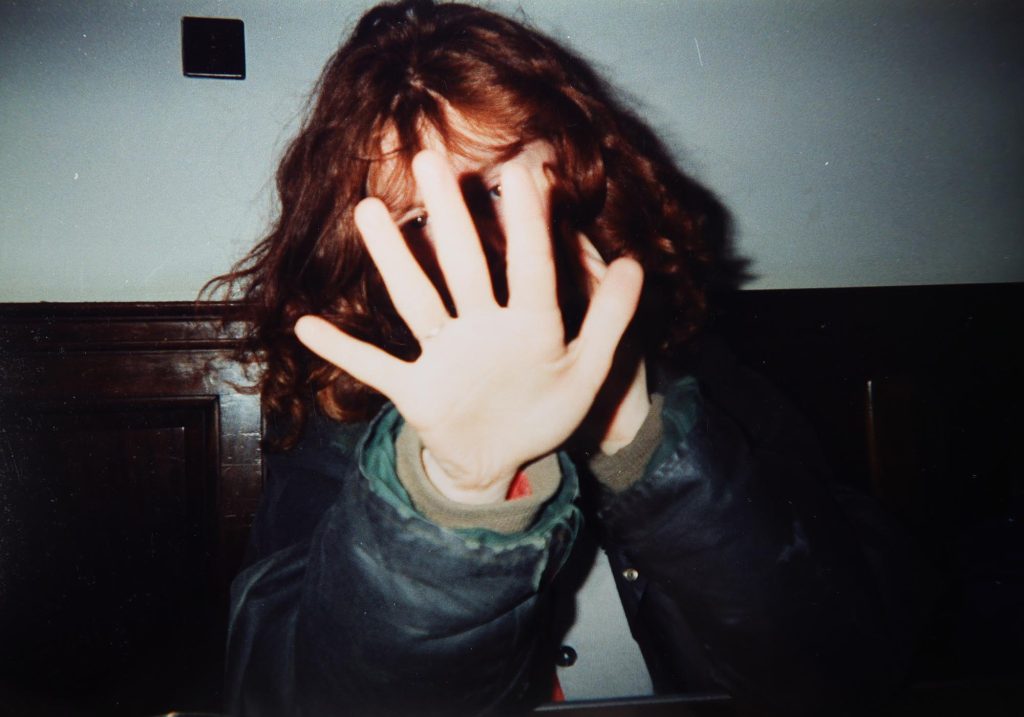
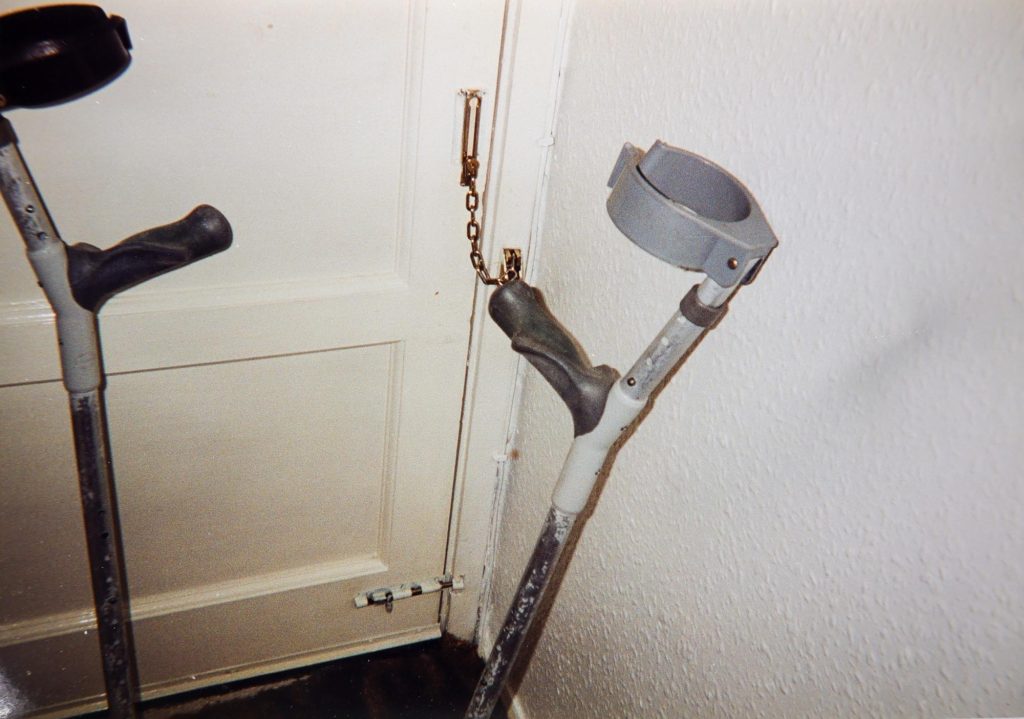
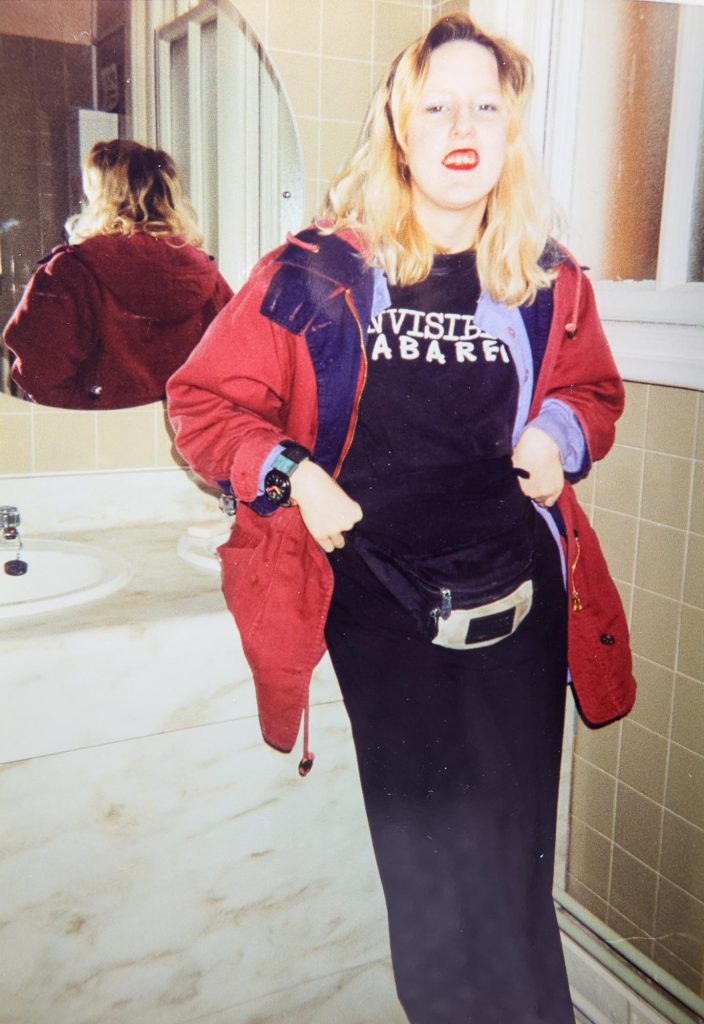
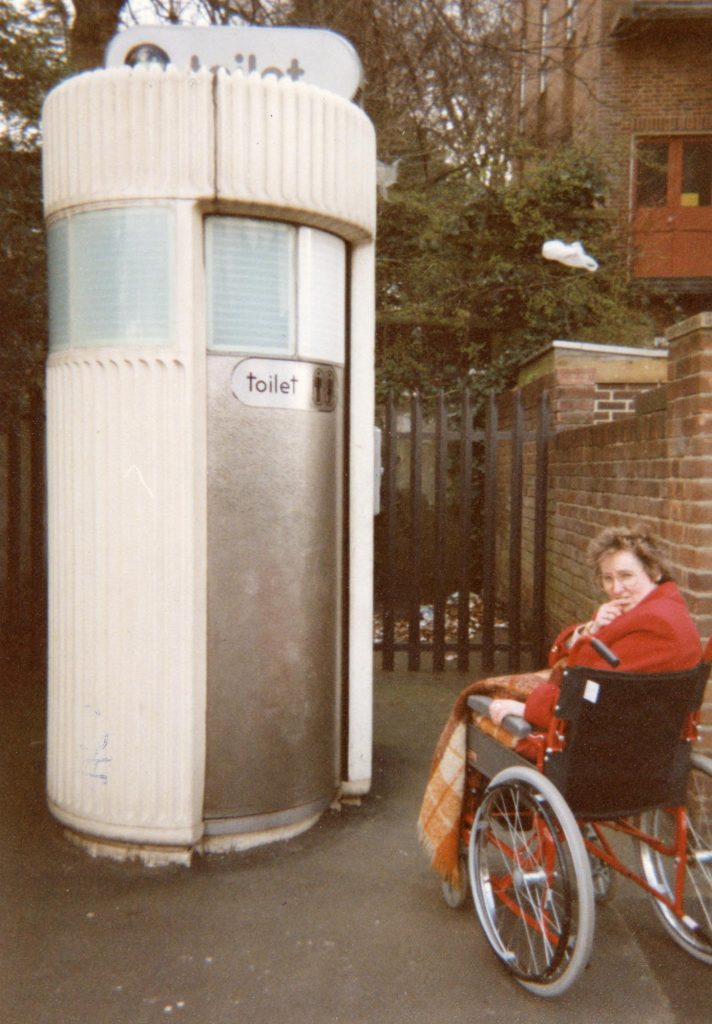
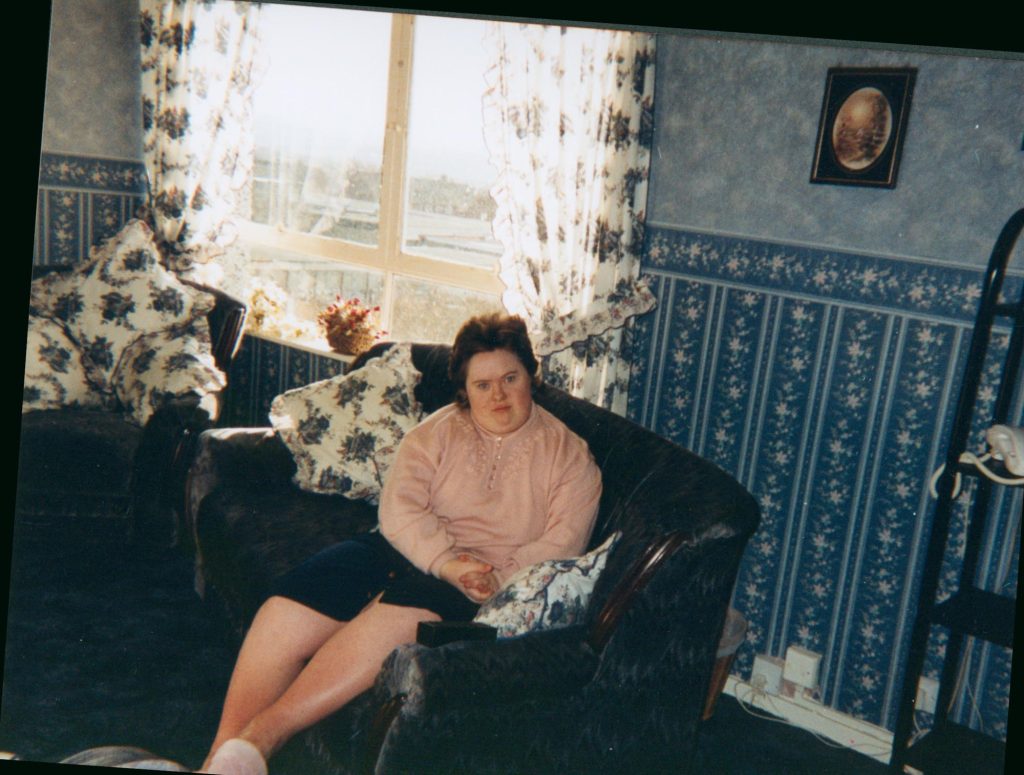
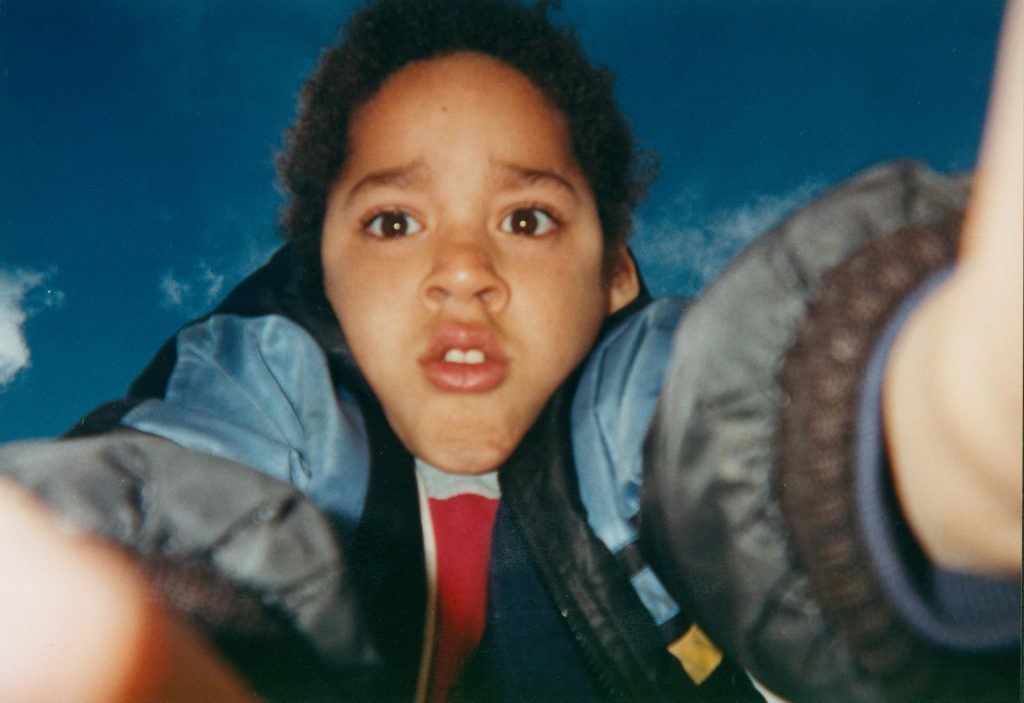
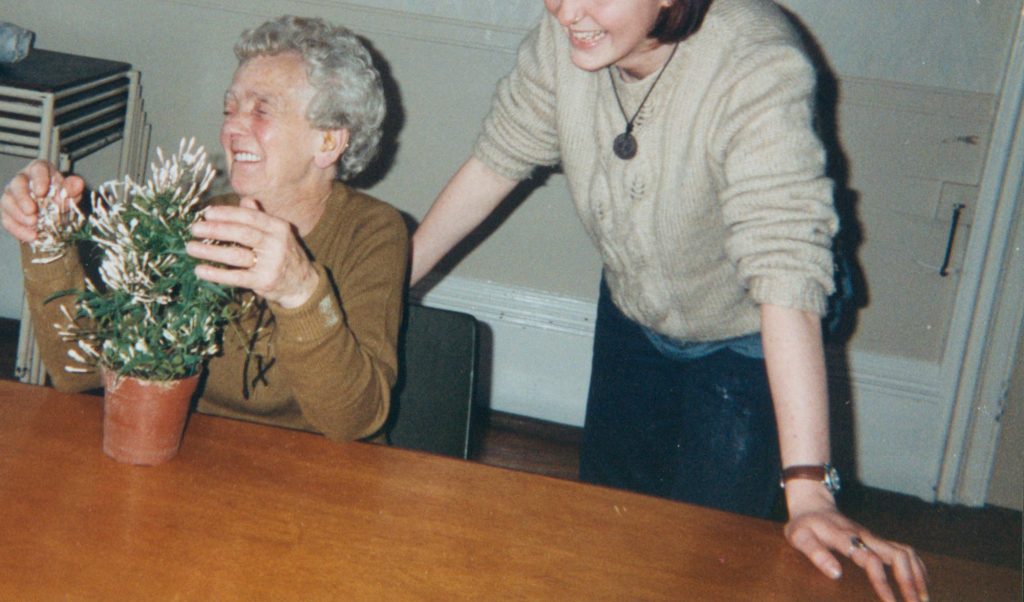
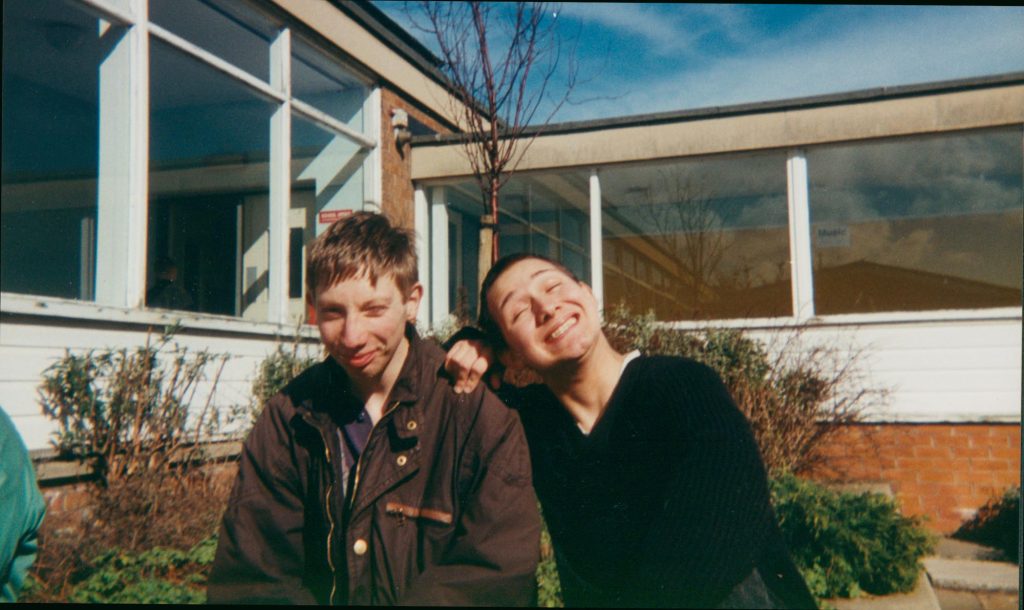
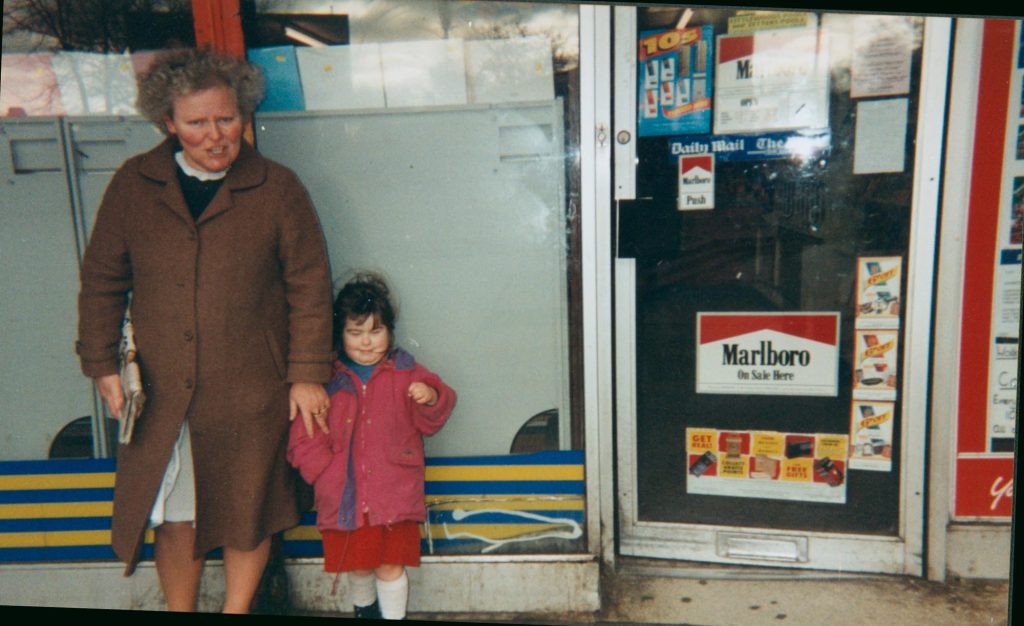
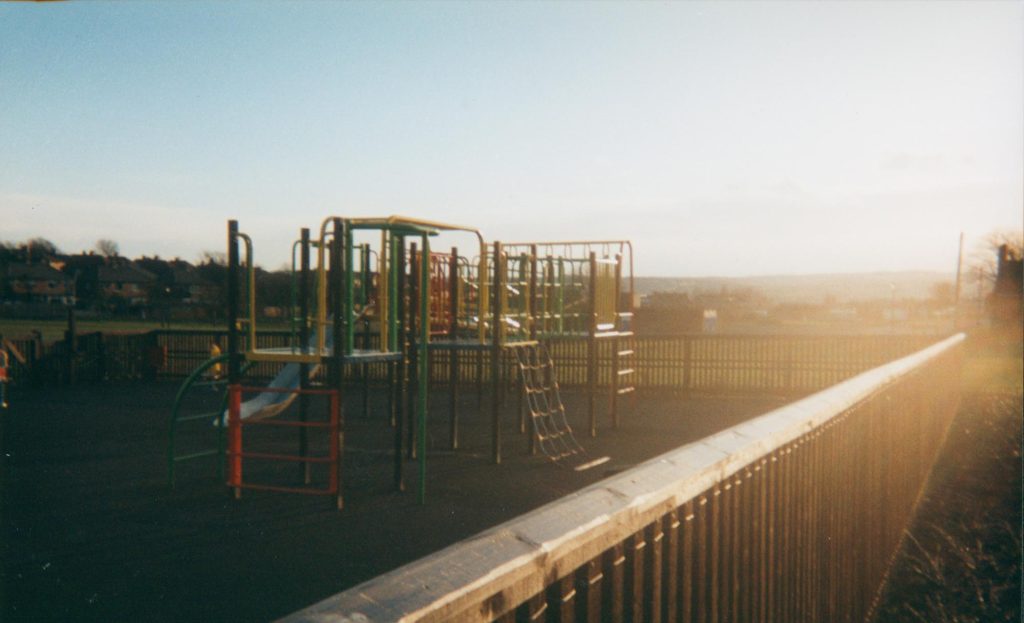
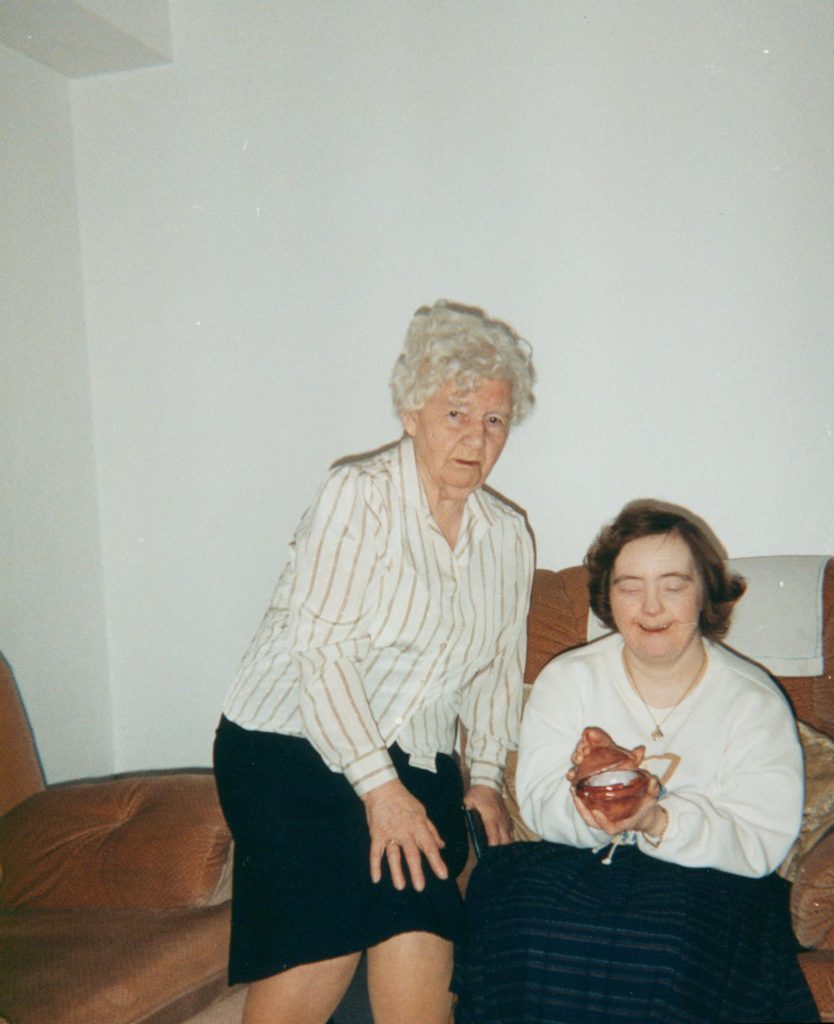
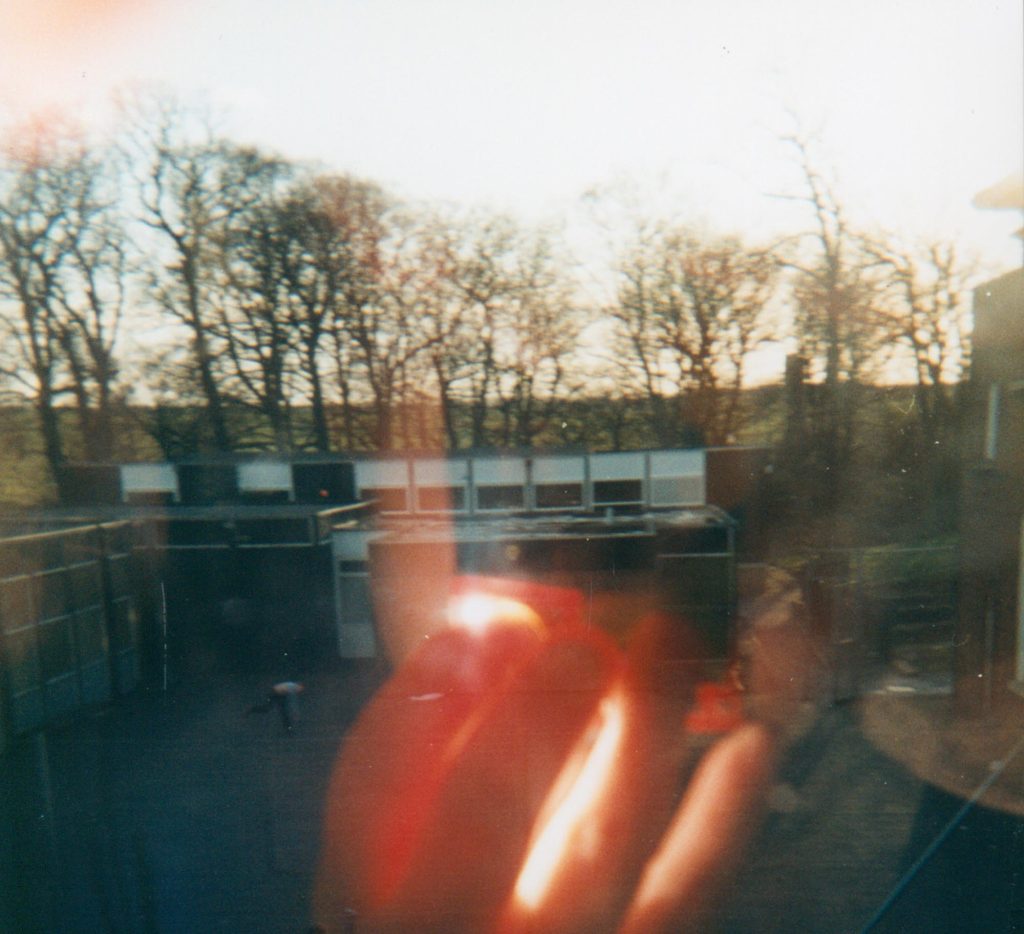
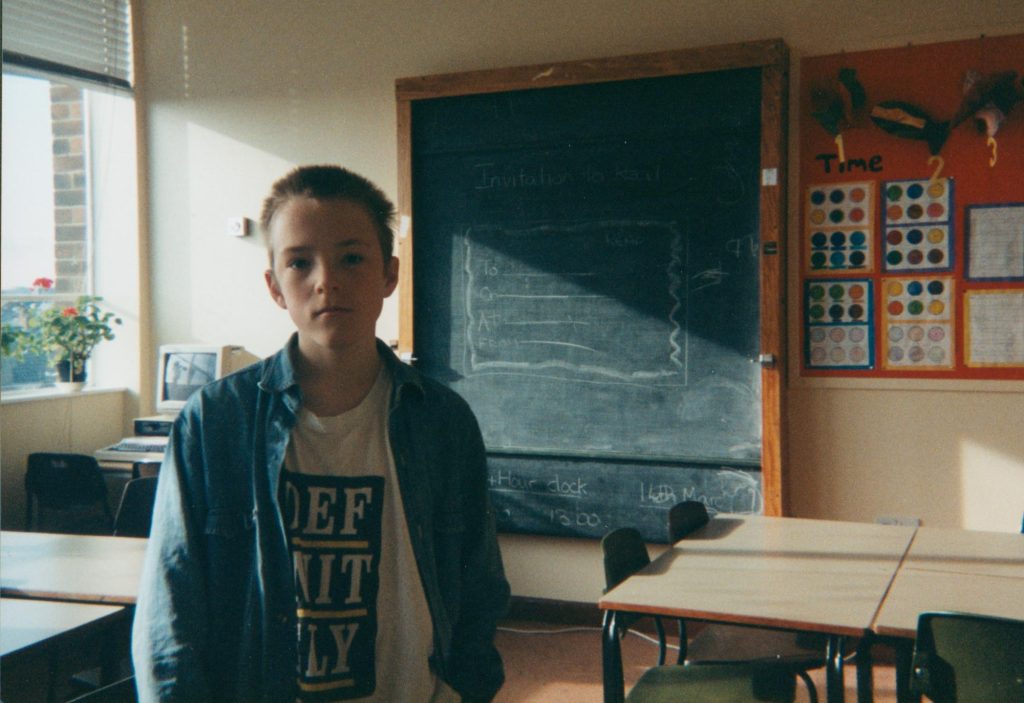
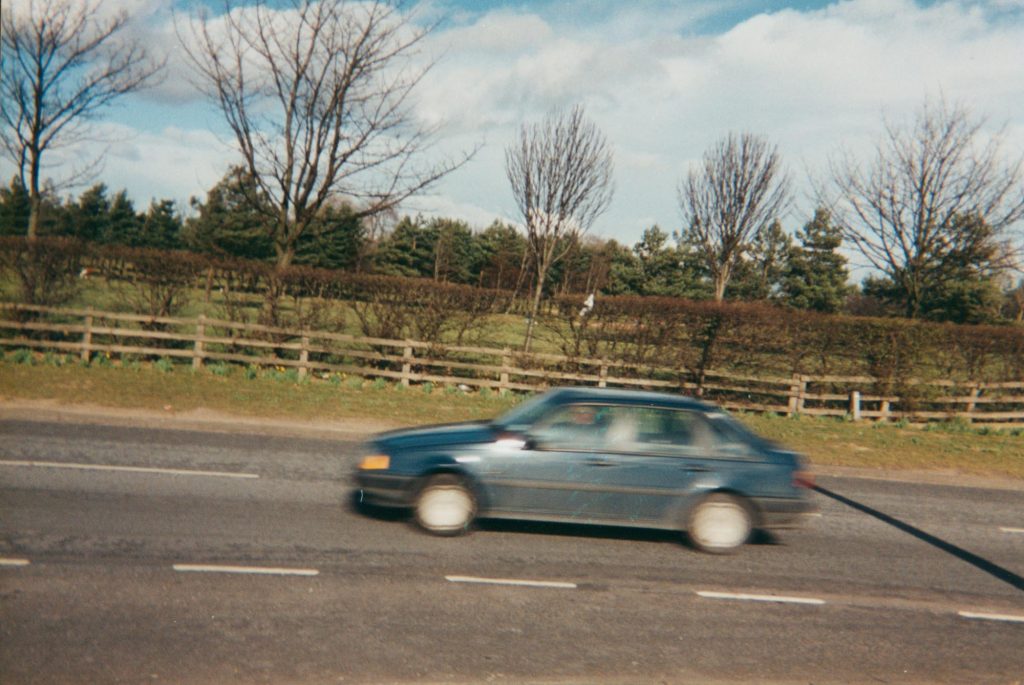
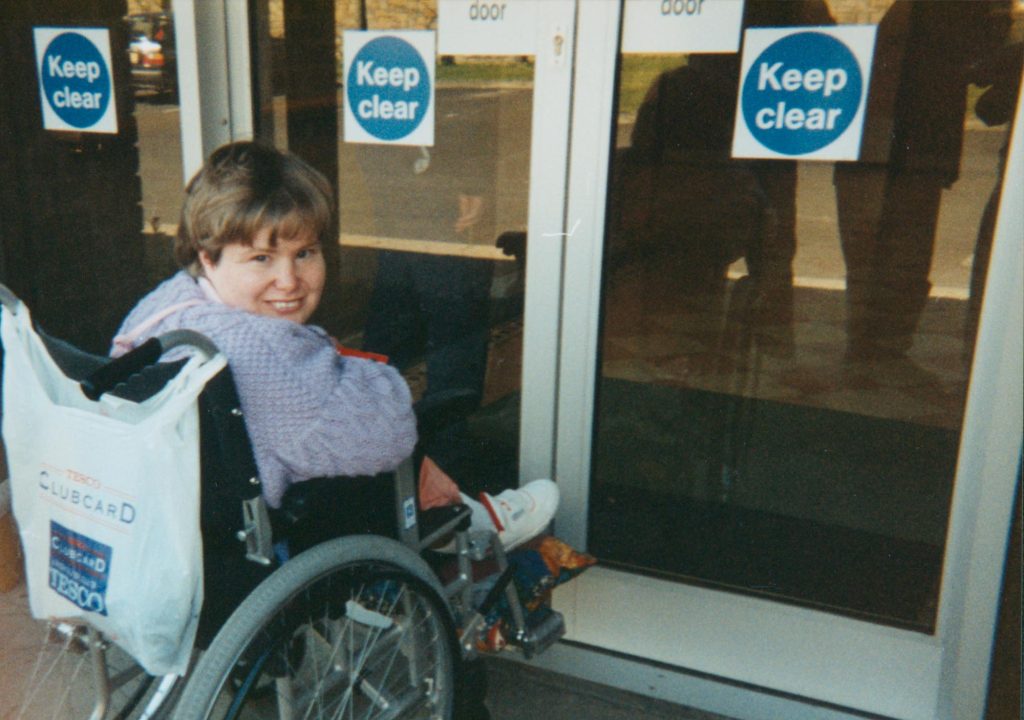
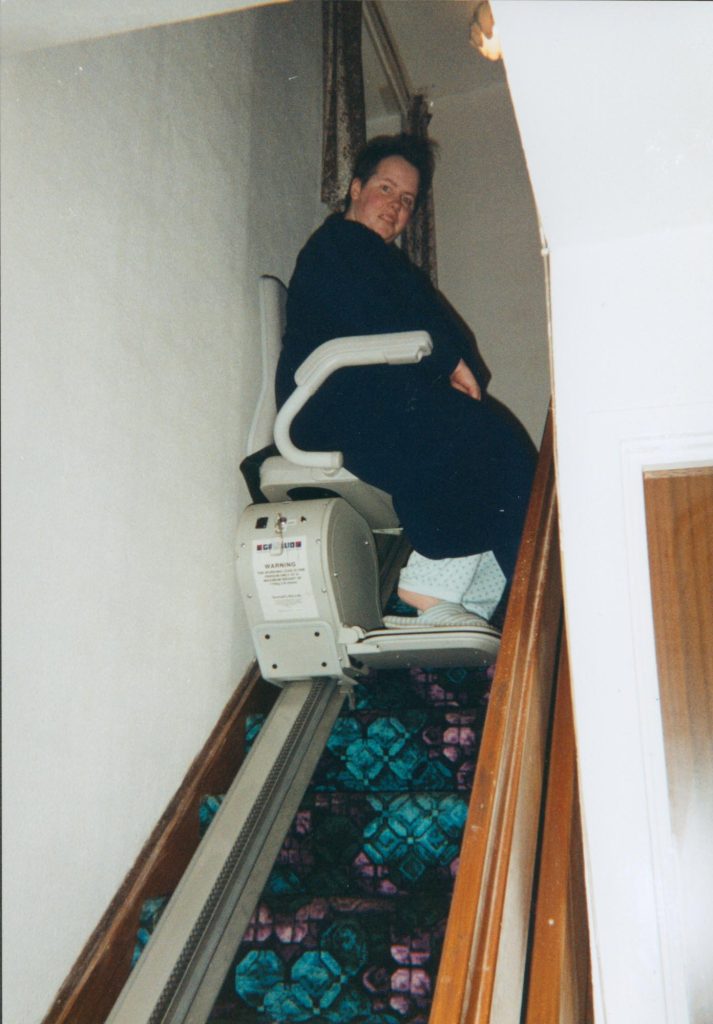
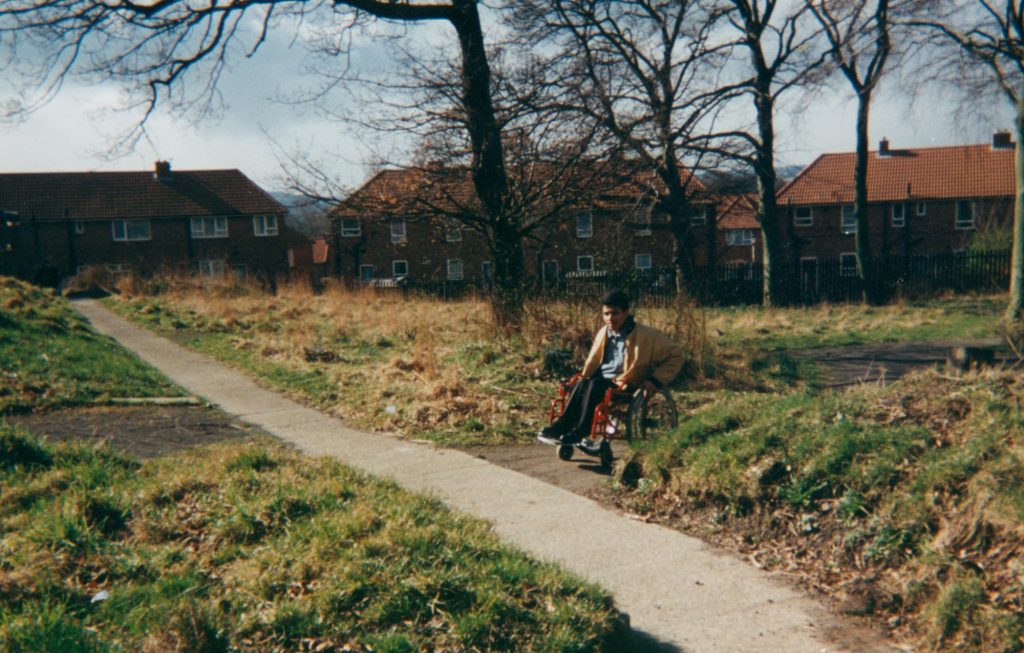
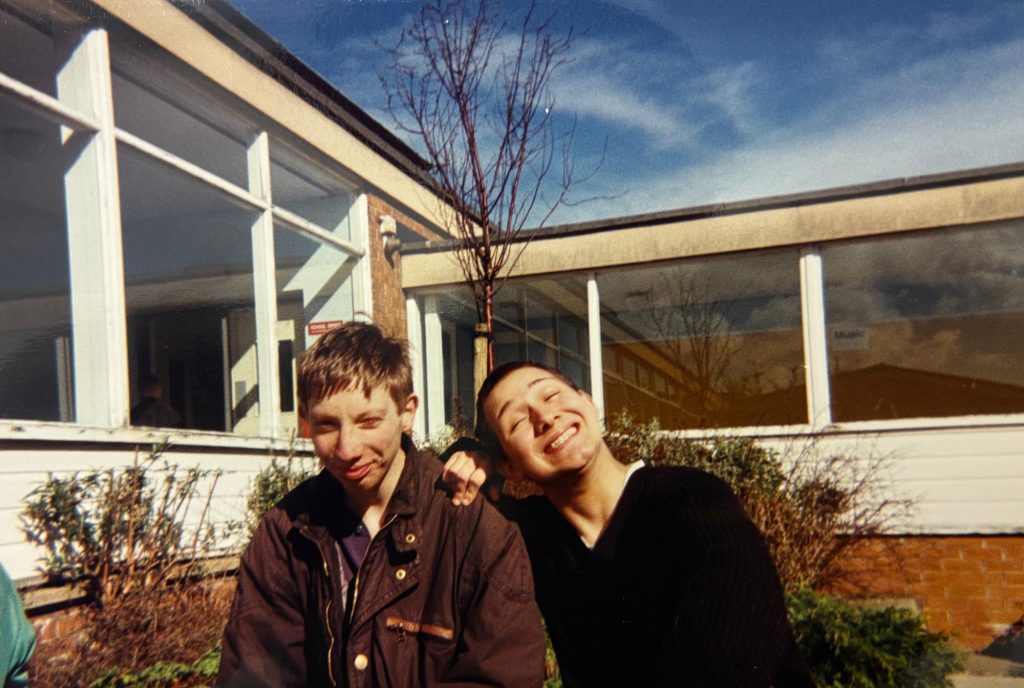
In 1995, NorDAF repeated the experiment for people living with disabilities in the North East. Each participant – more than 200 in total – was given a disposable camera and told to document their lives, however they saw fit, on a single day in March. The results record the deep texture of disabled participants’ llived experience.
These pictures are intimate, moving, sad, absurd, raw, funny, joyful, proud and often angry documents of living day-to-day in a world which was, and still remains, resistant to properly empowering disabled people. They are rich, granular documents of a place and a time that is now history: clothes, interior décor, technology and style that now seem suddenly old, and a postindustrial landscape that has partly passed away.
Exhibited over the summer of 1995 in the Discovery Museum, Mass Obs demonstrated that, given access to the means of representing their own lives, disabled people in the North East could, and would, speak for themselves.
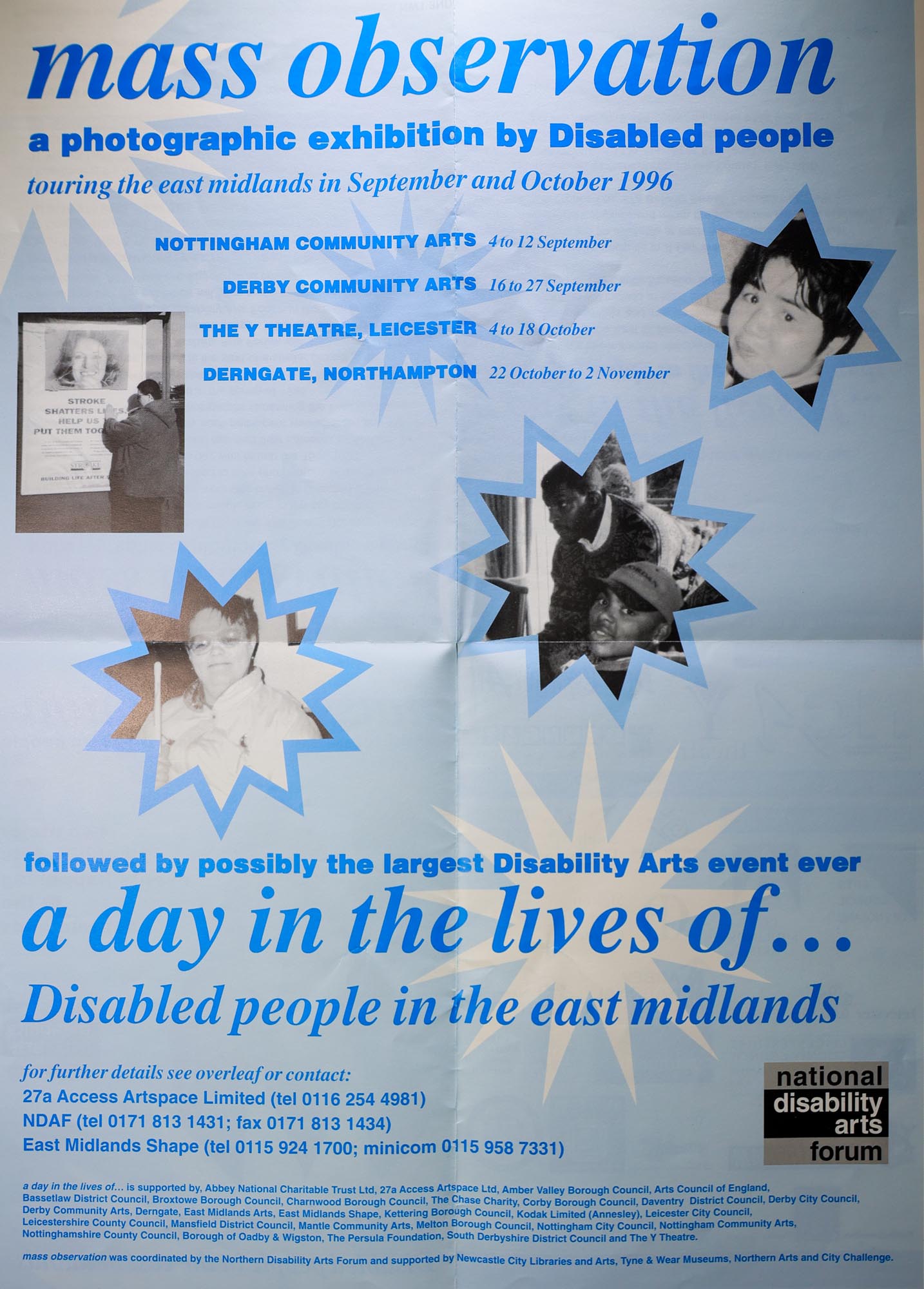
Mass Observation Posters
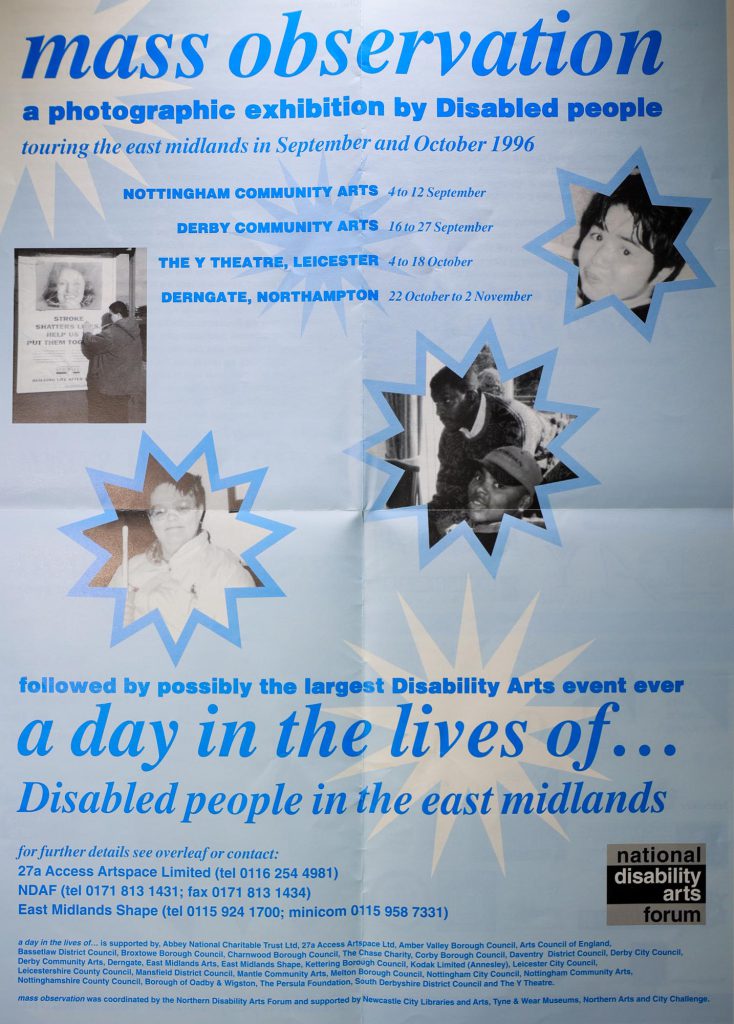
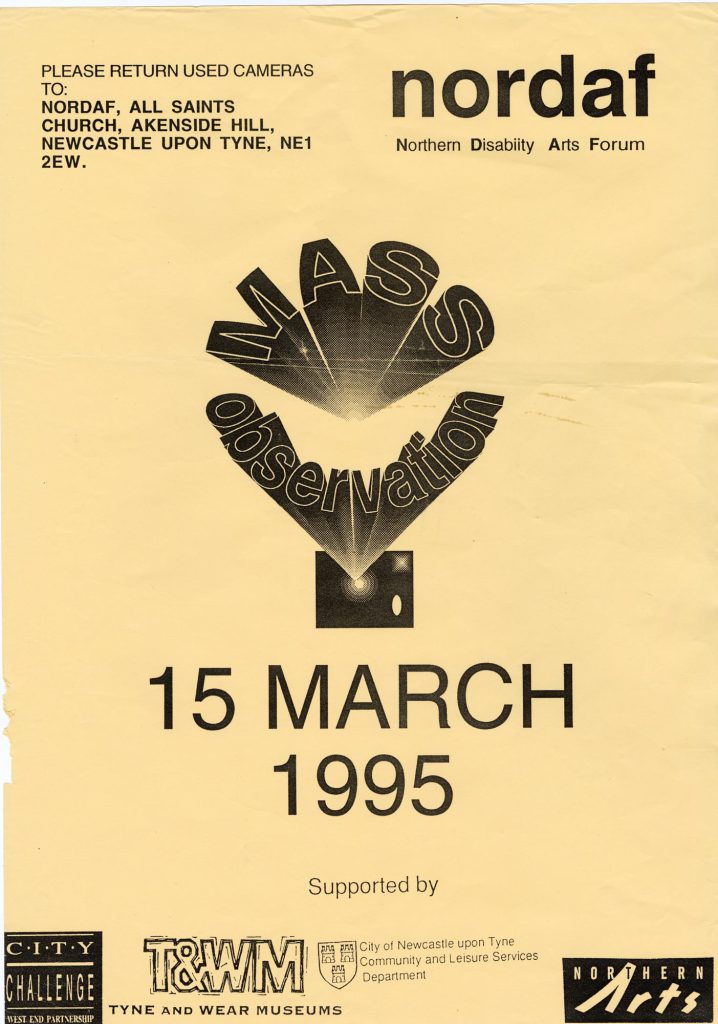
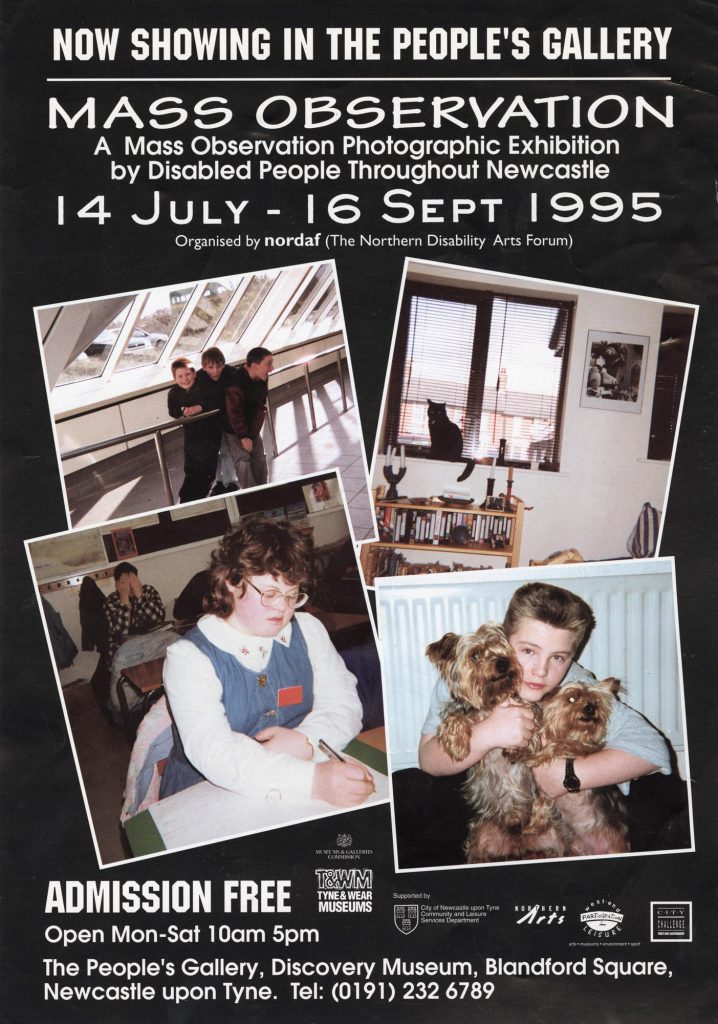
Exhibition mounts of Mass Observation photographs
The NorDAF/Arcadea Mass Observation archive reflects not only the creation of a photographic record, but its histories of display and reception as well. Alongside the original photographs are several panels of enlarged copies mounted for display in exhibitions, with explanatory text; these ones are from the 2000s. Mass Observation, like its namesake project, continues to be a live undertaking, resurrected in 2020 during the Covid-19 lockdown, and displayed in various venues over the years; its meanings continue to shift as new generations of North Easterners come in contact with it.
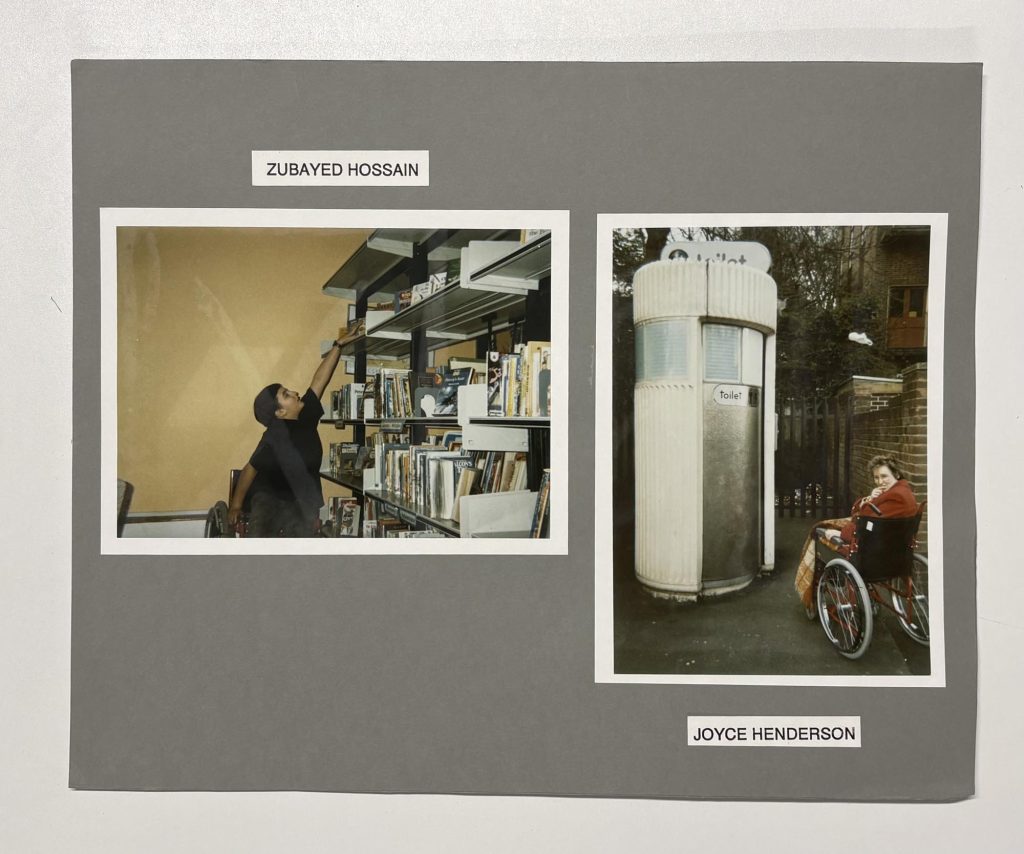
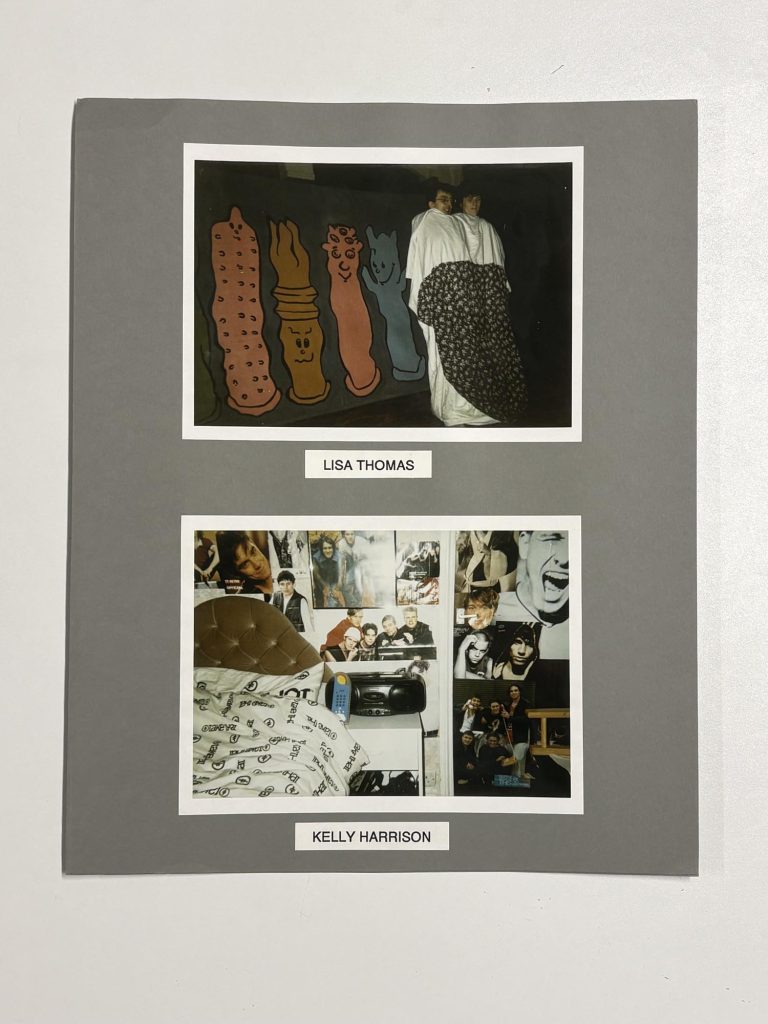
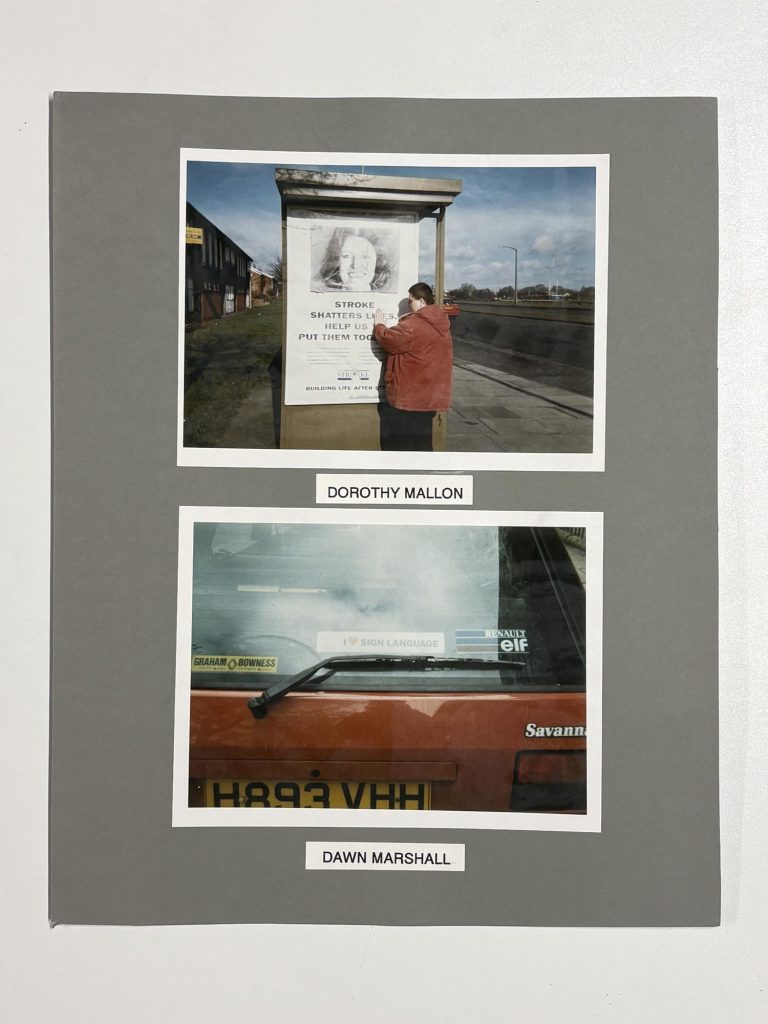
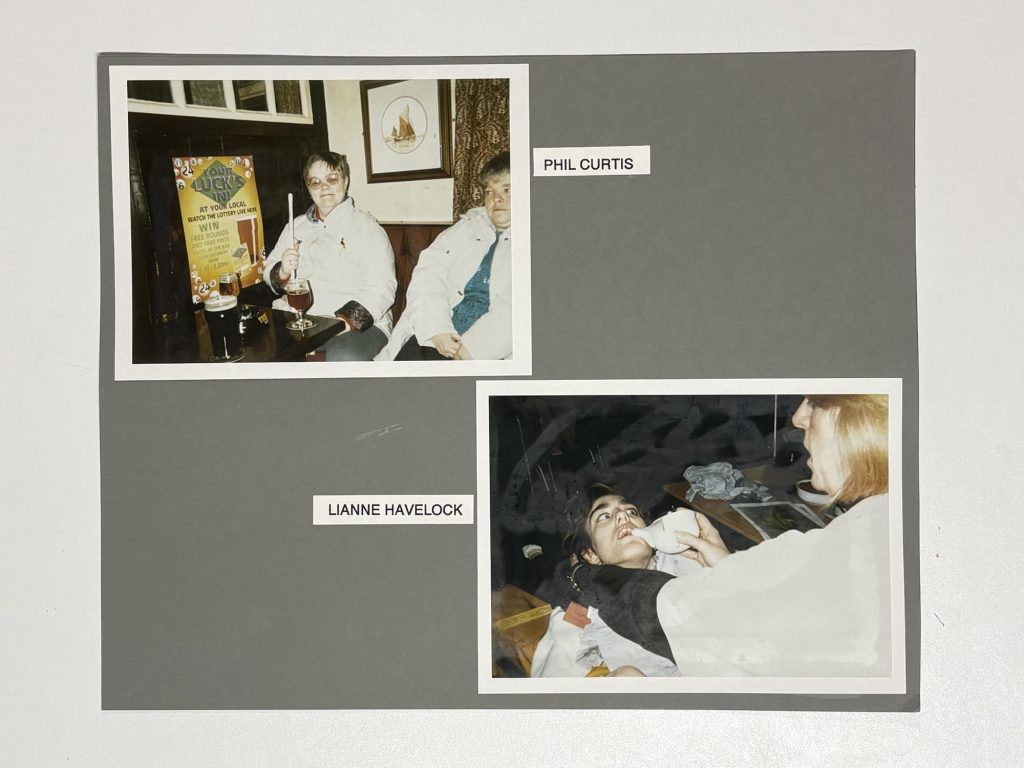
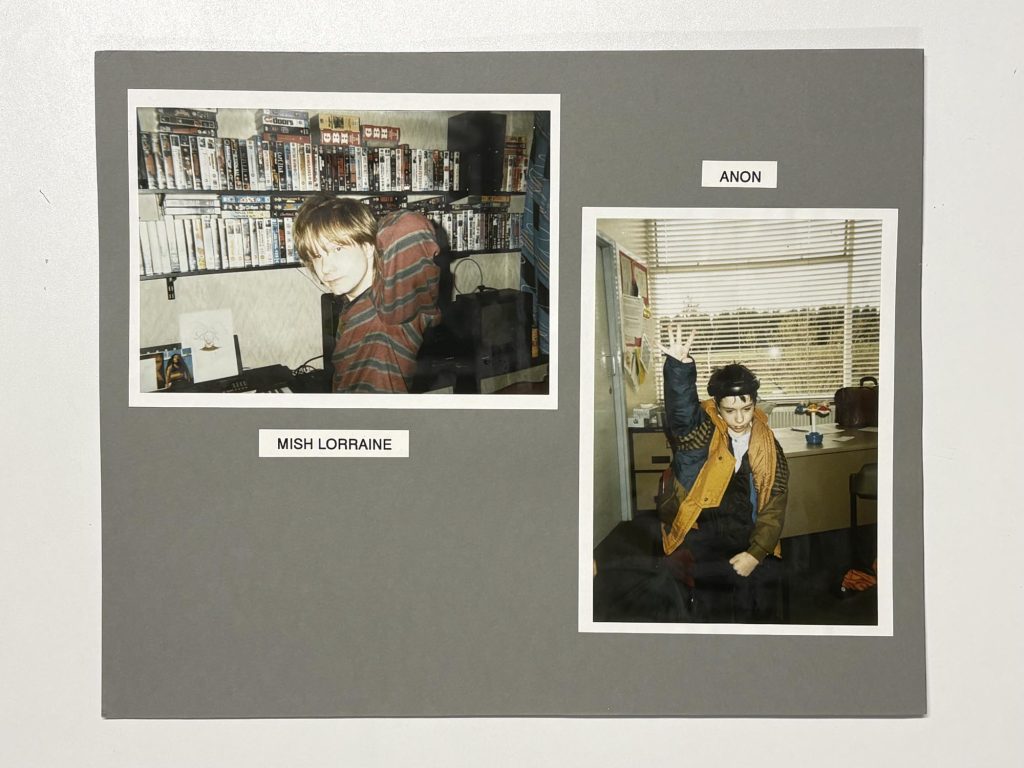
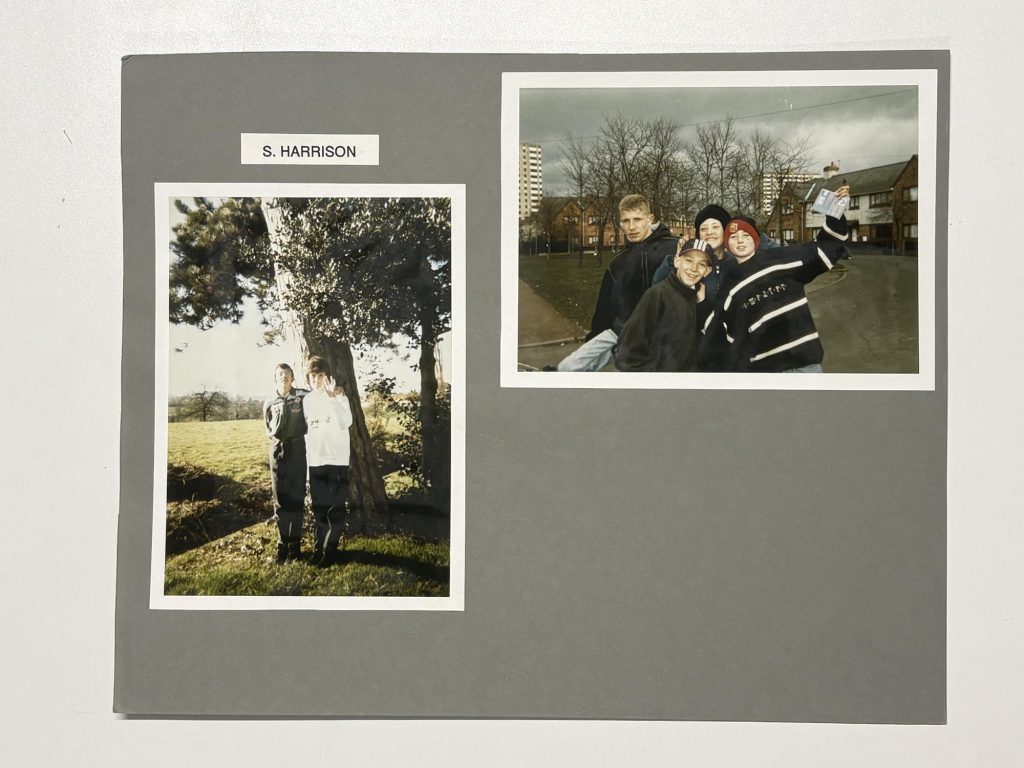
Mass Observation photographs